To maintain the integrity of the original structural model and to adhere to methods of measurement geometry requirements, one can employ a schedule-based approach to calculate the concrete volume.
This method involves calculating the difference between the theoretical volume of each element and comparing it to the volume reported by the authoring software. The resulting volume difference is then either added to or subtracted from other relevant model categories.
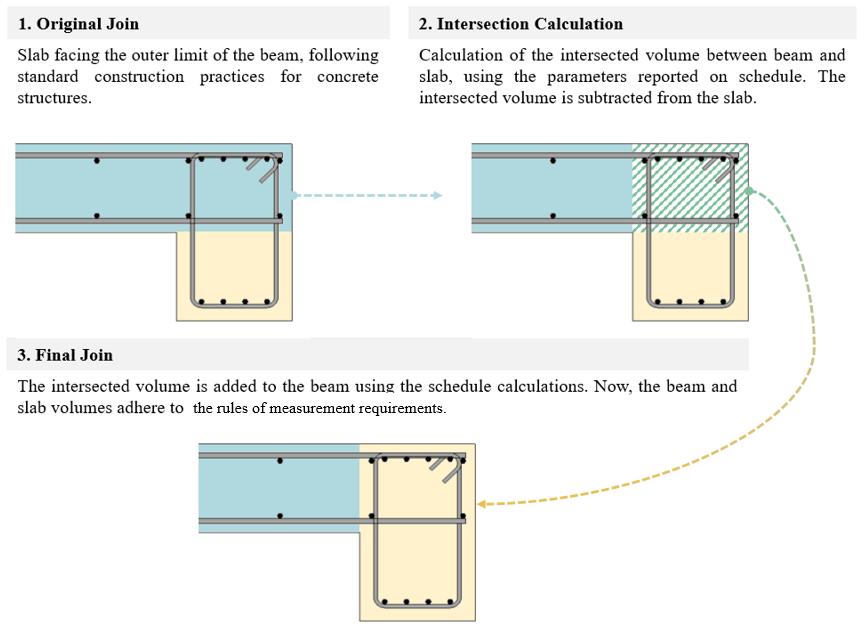 Figure 02 - Framework of the calculation of intersected volume between elements.
| Item | BEAM | SLAB |
|---|---|---|
| Length (m) | 10.00 | 10.00 |
| Width (m) | 0.20 | 10.00 |
| Height (m) | 0.50 | 0.20 |
| Original Schedule Volume (m³) | 0.60 | 20.00 |
| Intersected Volume (m³) | 0.40 | |
| Final Schedule Volume (m³) | 1.00 | 19.60 |
Table 01 - Example of the calculation of intersected volumes and their distribution according to the rules of measurement requirements.
This method is primarily utilized when the concrete volume serves as the basis for reinforcement calculation. However, the overall concrete volume remains unchanged within each category.
This strategy allows the companies to accurately account for the intersected volume without making direct alterations to the primary structural model.